
Insight
April 06, 2026
From Industrial Transformation to Neighbourhood Vibrancy
From Industrial Transformation to Neighbourhood Vibrancy
Following my recent post on "Organic Growth," I’ve been thinking about the next evolution of our vibrant urban districts.
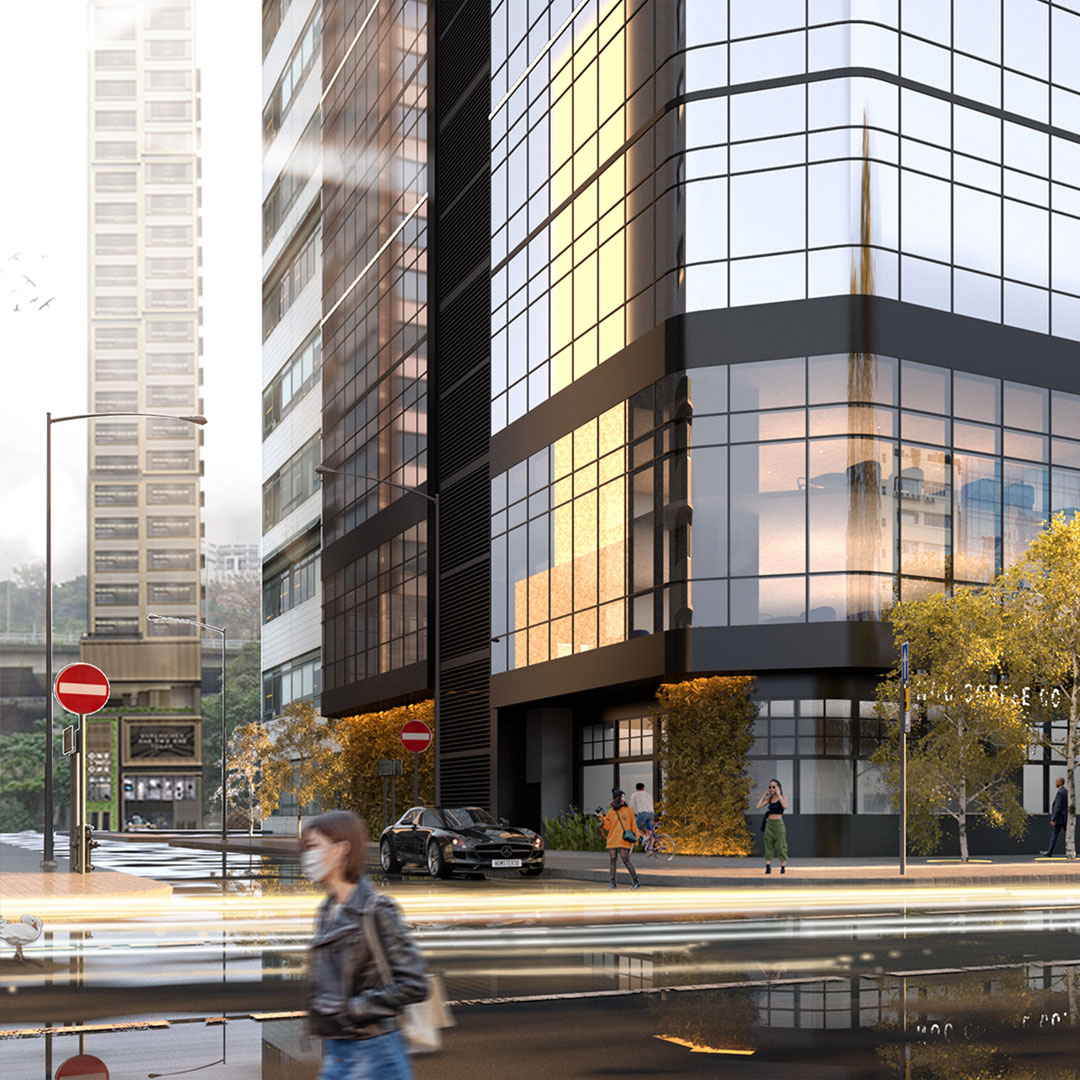
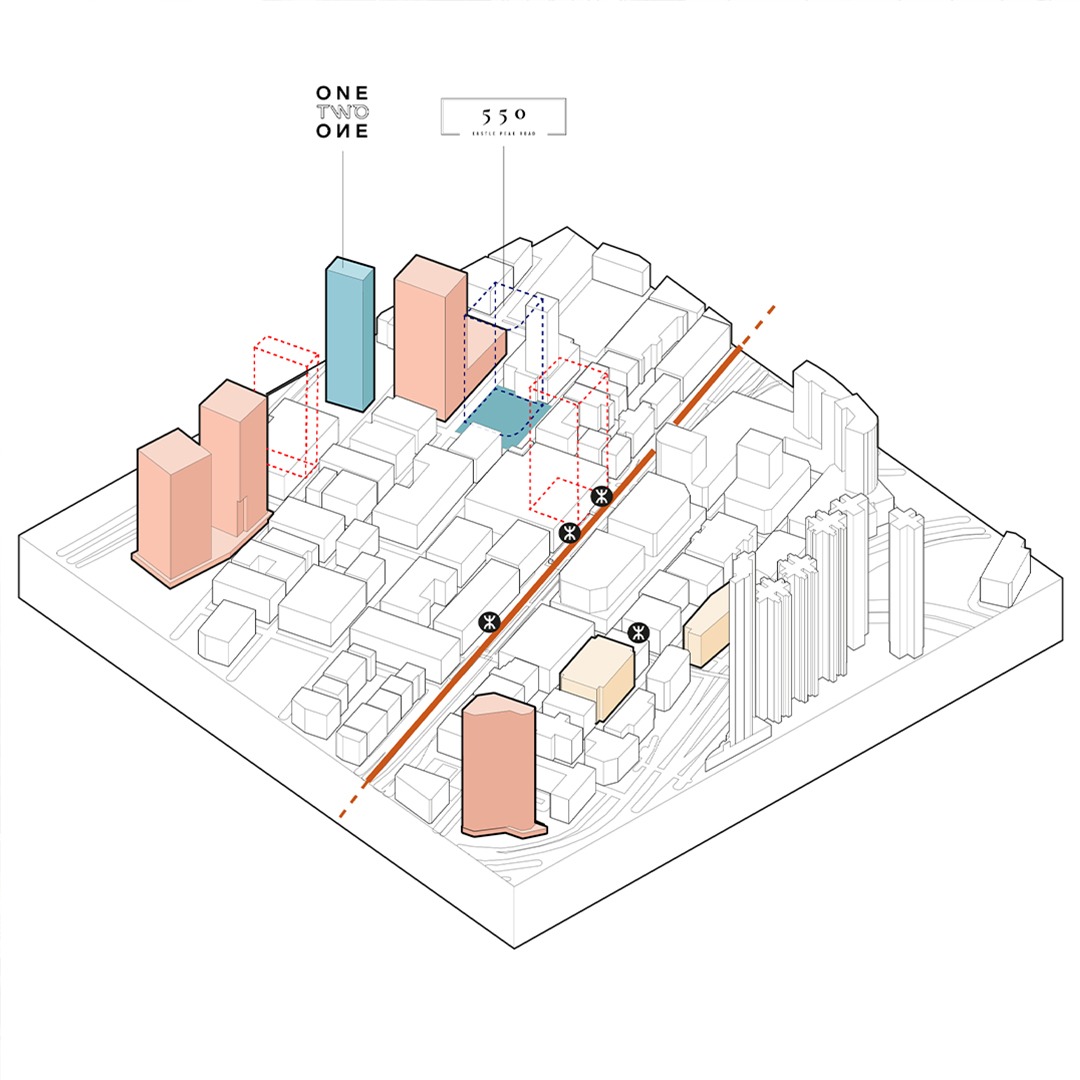
We’ve seen a strong wave of transformation in Hong Kong—older industrial buildings being replaced by modern developments. At PLACE Architects, we have been involved in this shift, leading the architectural vision for 550 Castle Peak (now Dr. Kong Tower) developed by KaiLong Group; and the sales and marketing strategy for One Two One developed by Easyknit International Holdings Ltd.
For 550 Castle Peak, we actually started with a Strategic Positioning phase, to define the building’s DNA before kicking off the design. This "software" was designed to ensure the "hardware" was born with a vibrant, activated foundation.
With the completed 83 Wing Hong Street developed by New World Development Company Limited anchoring this micro-cluster, the upgrade under the government’s Industrial 2.0 push is undeniably impressive.
To complement this strong hardware, the next phase is about activating the street-level life and neighbourhood rhythm that turn a district into a true destination. In today’s market, this "software" is the key value-add—it is the strategic differentiator that enhances the long-term desirability and commercial appeal of these assets.
Neighbourhoods like Tai Ping Shan in Sheung Wan, East Village in NYC, or Le Marais in Paris thrive because they have a sustained vitality that lasts beyond the 9-to-5. By encouraging a better mix of residential, F&B, and community uses, we can ensure these industrial-to-office transitions evolve into resilient districts that work for both productivity and lifestyle.
As the government continues to advance "New Industrialisation," there is a timely opportunity to think beyond the hardware. The next phase is about building the “software”—encouraging the mix of uses that can sustain activity into the evening and weekends.
We’ve built the towers. Now the opportunity is to build the life between them—creating resilient, vibrant districts that integrate with both work and living.
What are your thoughts on the next phase for transitioning industrial areas? How important do you see residential integration in creating long-term urban vibrancy?
Read the original discussion on LinkedIn →
© 2026 PLACE Developments Limited | EAA Licence No. C-106464